

Let them be uncomfortable
You’re not here to make yourself easier to swallow

There’s a whole genre that’s come to be known as the trauma story. We know its shape before it begins. It goes something like this:
A woman suffers. A woman survives. A woman earns the right to speak.
I don’t trust this architecture. Not because our pain isn’t real, but because I resent the way suffering becomes the price of admission. When we speak, we’re heard as victims and labeled as survivors, as if the story ends there, as if survival is the final form instead of a threshold.
Cults thrive, in part, because former members are excommunicated and often too ashamed to admit they ever belonged. We’re not silenced only by our former community. We learn the language of silence and carry it with us. Eventually, we become fluent in self-erasure.
We know what it will cost to tell our stories. We have felt that cost in our bodies, in the loss of belonging, in the recalibration of every room we enter. And still, we underestimate what we’ll gain.
We know what it feels like to be exiled and seen as dangerous. We’re afraid that if we tell the truth, we’ll be cast out of the very communities we’re trying to enter. We know how quickly a door can close.
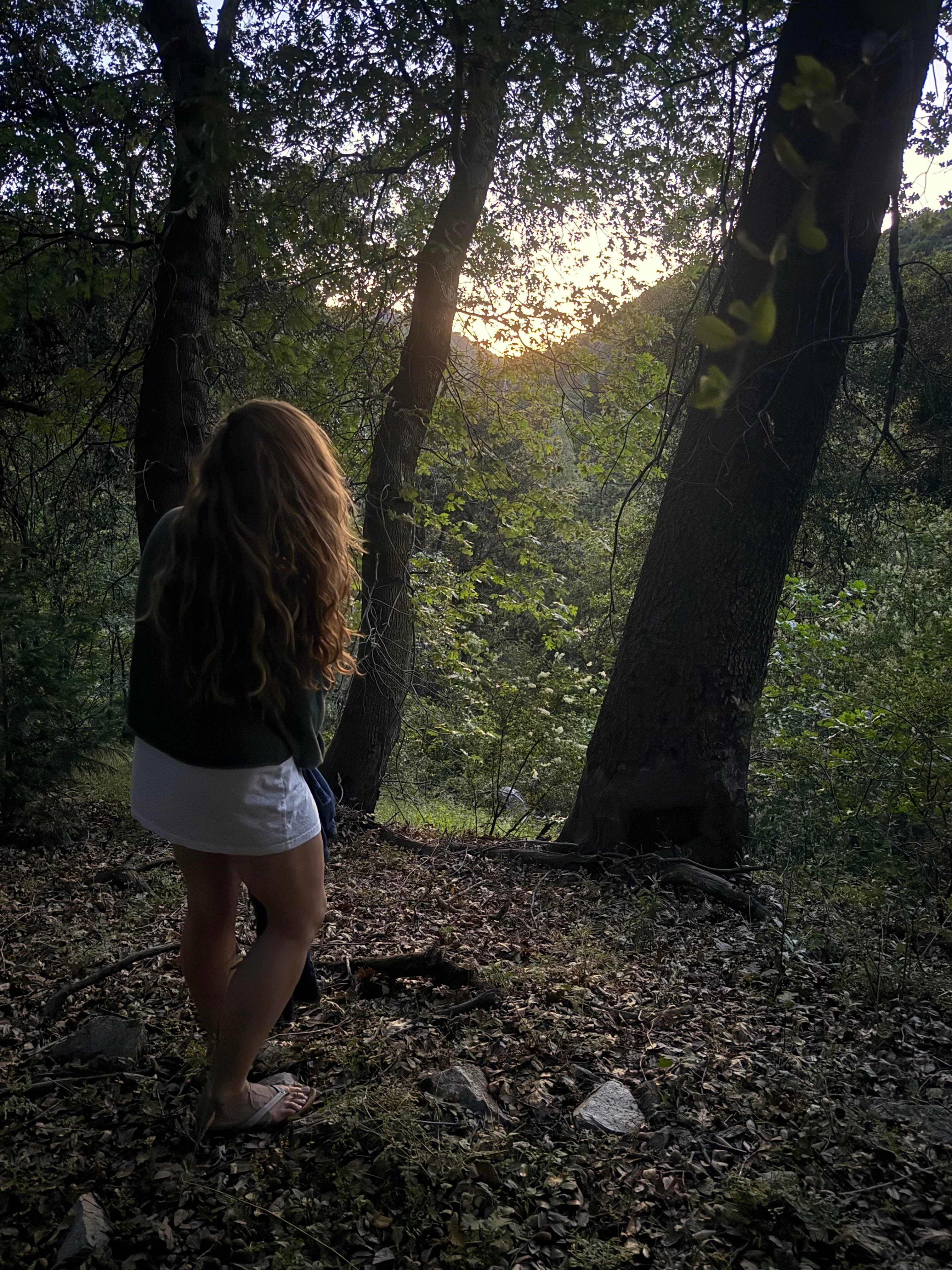
But some truths tap you on the shoulder while you’re washing dishes, move through your body while you’re hiking through coyote brush, return when you’re lying in bed trying not to think about the people who have erased you to preserve their version of events.
And some stories don’t care if you’re ready. They show up like birds tapping at the windowsill, persistent, uninvited, impossible to ignore.
I wrote Forager: Field Notes for Surviving a Family Cult because the story found me. And because I knew someone out there (maybe you) needed to know they weren’t alone. What was done to you in childhood, even the unspeakable things, does not make you broken. Choosing to live your own life doesn’t make you a traitor. It means you refused to abandon yourself. And sharing your story can help you belong to yourself.
But telling the story is not the end of the work. It’s the beginning of learning how to live on your own terms.
After a life organized around silence, living as an artist means learning to live wide open, and staying in relationship with uncertainty without letting it close your heart. It means building a life from attention, from instinct, from the strange and often invisible threads between things.
It means understanding that creativity is not separate from the rest of your life. The way you answer emails, arrange flowers on a table, speak to strangers, notice birdsong, recover from heartbreak, or walk through a forest alone are all part of the work. Art is not only the finished object. It is the way you move through the world, and stay awake to it.
And it means developing intimacy with rejection, without allowing rejection to become your identity, letting it pass through you without building a home inside you.
To live as an artist is to exist on thresholds. Between beauty and grief. Solitude and connection. Discipline and surrender. Public and private selves. You learn to tolerate contradiction. You learn how to make something from fragments. You learn how to keep creating even when there is no guarantee anyone will clap, buy the book, fund the project, or understand what you’re trying to make. And practically, it means becoming resourceful, refusing the myth that someone else will come authorize your life, that someone else will come and choose you first.
Most artists I know are not sitting in a candlelit room waiting for inspiration to descend. They are teaching classes, applying for grants, leading workshops, freelancing, collaborating, experimenting, failing publicly, adapting constantly. They are building ecosystems around their creativity instead of waiting for one institution to save them.
We are building lives strong enough to hold the work. Lives that don’t collapse when the work is not received.
And over time, if we stay with it long enough, we realize the real work is becoming permeable enough to keep noticing, to create meaning and beauty in a culture that teaches us we’re disposable.
Nothing we’ve lived is wasted if we learn how to compost it, let it change form, and stay long enough to witness the transformation.
Art isn’t about perfection or performance, but about contact. When we share what we make, we invite a stranger to feel less alone inside themselves. And we become less alone, too.
A gift for you:
Forager Field Note #11 - Flower Moon
And, while you’re on Spotify, consider giving Forager: Field Notes for Surviving a Family Cult a listen, free for those on Spotify Premium.
Subscription prices will rise on June 2 - from $49 to $59. Click below to keep your lifetime rate at $49 a year (see Why an Annual Membership below)
CONNECT ONLINE - THE SECRET GARDEN SERIES
The Secret Garden Series is an 8 week exploration of your chosen art practice, within the support of community. The series opens with a storytelling workshop and continues through the summer with monthly workshops and weekly prompts.
Wander in and out of this garden, as little or as much as you like.
Workshops are offered on the following Saturdays from 1:00-2:00 PT
June 27 - The Art of Storytelling
July 25 - Art as a Daily Practice
Aug 29 - The Art of Mindfulness
$49 for all 3 workshops (via Venmo)
OR, included (free) with your annual paid subscription to Forager Field Notes
All recordings will be sent to paid subscribers.
More ways to connect in person
Yoga at the Maloof – Fridays at 10 a.m. Yoga on Tap at Claremont Craft Ales – 2nd & 4th Sundays, 11:30–12:30 Crestline Hot Yoga - Tuesdays at 9:00 a.m.
Why an Annual Membership
There are a lot of ways to move through your life. You can circle the trailhead. You can read the map. You can keep your options open. (And there will be endless options.)
Or you can step off the path.
An annual membership is stepping off the path.
Experiencing a year of Forager Field Notes costs $49 - less than a single night out. And it opens everything: The Secret Garden, the 12-week Artist’s Way cohort, the full archive, and every new offering in the coming year.
But this isn’t really about access.
It’s about staying past the easy turn back, about following instinct into denser terrain, about moving until the noise drops out and something older takes over.
We find each other here. We build a community of care around our creative practices.
An annual membership is a small, clear act of devotion, a way of telling yourself: I’m not here to hover at the edge. I’m here to go all the way in.
Come all the way in.
Who Am I?
I’m a writer, teacher, and lifelong forager, raised in an apocalyptic cult in the mountains of California, where I learned to survive off the land and listen for what lives beneath the surface.
My memoir, Forager: Field Notes on Surviving a Family Cult, tells the story of how I left everyone and everything I believed in, and why. Now, through this newsletter, along with retreats and workshops, I help others build creative lives rooted in attention, embodiment, and relationship with the natural world.
So much of this hits home, as always. We are more than what we survive.🙏🏼
"Composting" our prior lives is a wonderful image and concept. Turning our past experiences over and over so that we can grow something new. We cannot forget, we we can make something new out of it. Such a great mental illustration of the internal work to be done.